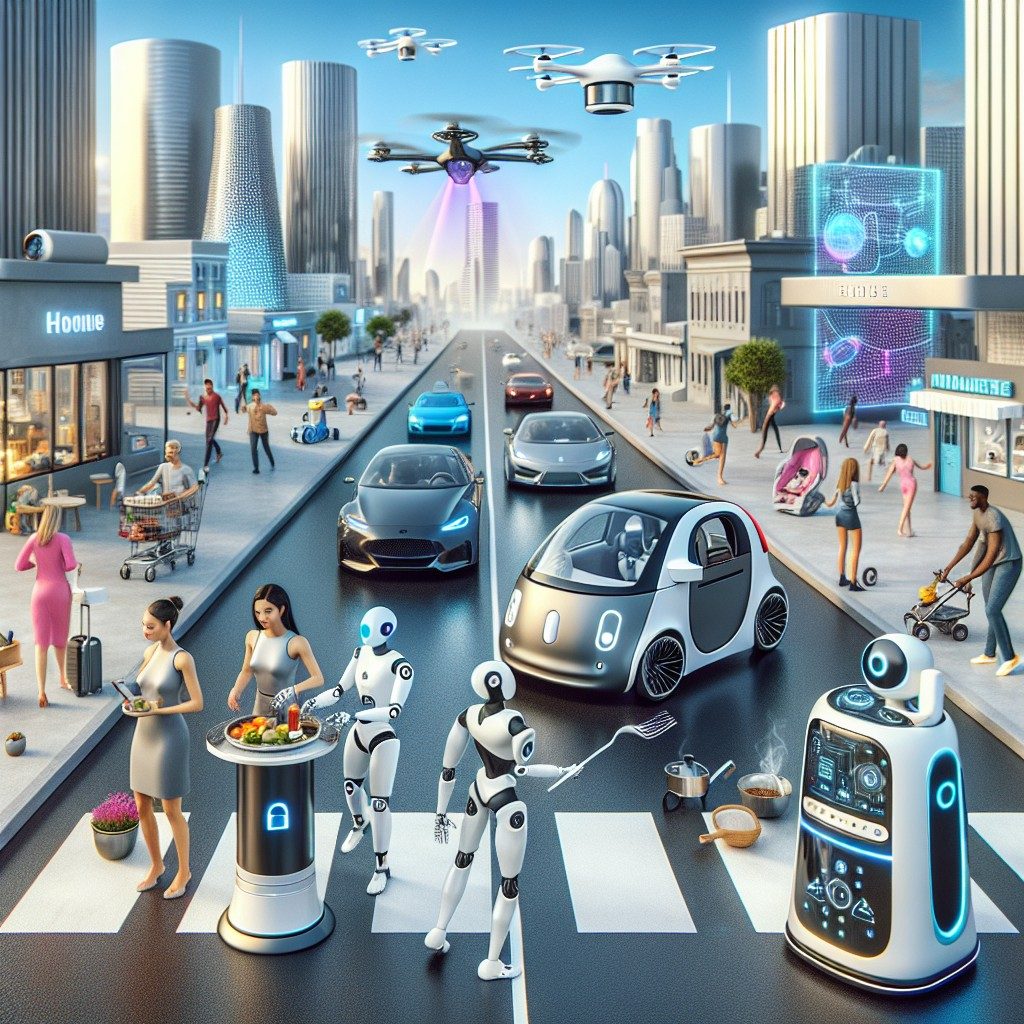
The rapid evolution of artificial intelligence (AI) continues to reshape our daily lives in unprecedented ways. As we look ahead to 2026, a number of AI trends are expected to emerge and solidify, influencing everything from work environments to personal interactions. This report highlights the key AI trends that will define our future, based on current trajectories and expert insights.
AI and Enhanced Automation
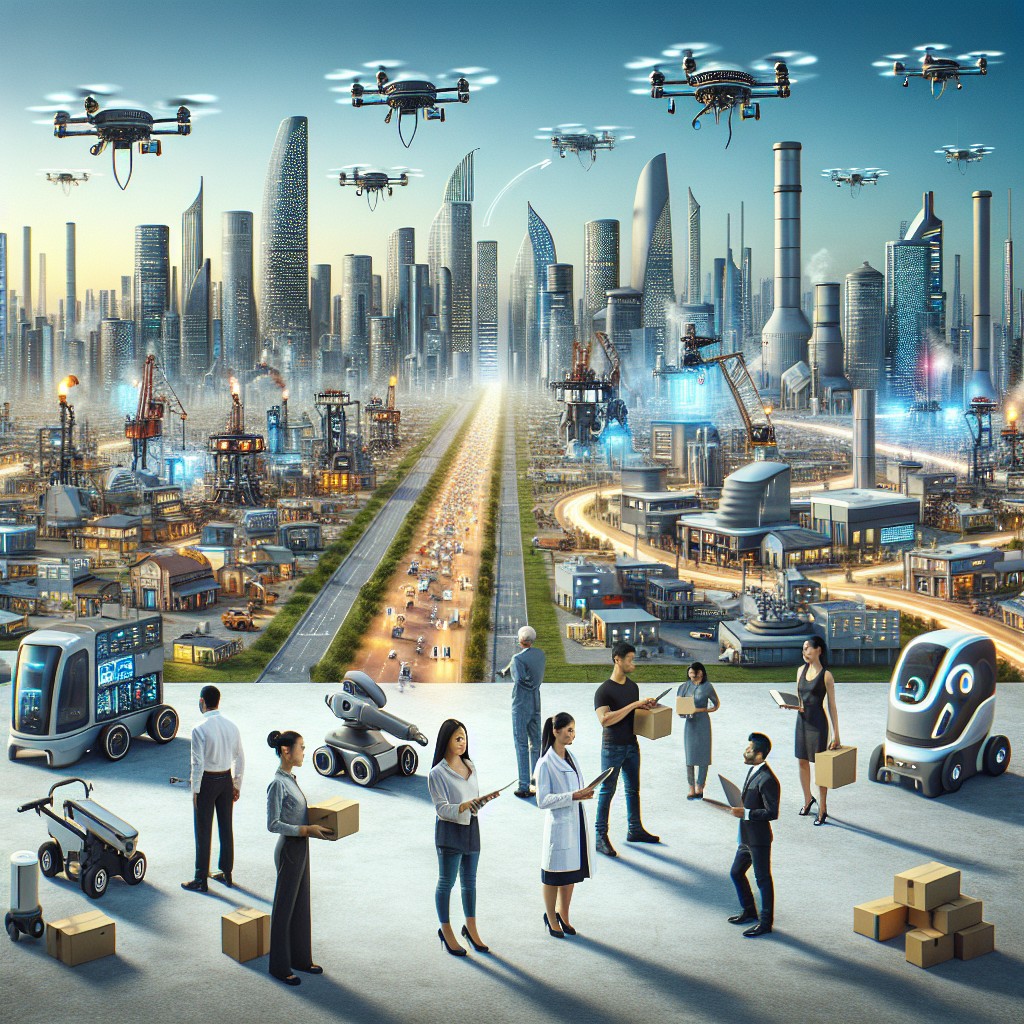
One of the most significant AI trends anticipated in 2026 is the widespread adoption of enhanced automation across various sectors. Many businesses are already leveraging AI to streamline operations, reduce costs, and improve efficiency. As AI technologies mature, we can expect an exponential increase in automation, particularly in manufacturing, logistics, and customer service. The integration of AI-powered tools will not only expedite routine tasks but also allow human workers to focus on higher-value responsibilities.
Personalized Experiences Through AI
In 2026, personalized experiences driven by AI algorithms will become standard across digital platforms. Companies are expected to utilize sophisticated machine learning techniques to analyze consumer behavior and deliver tailored recommendations, entire user experiences, and even products in real-time. This trend will transform how consumers interact with brands, leading to more engaging and relevant communication. The use of predictive analytics will enable businesses to anticipate customer needs, fostering loyalty and enhancing satisfaction across various industries, including e-commerce and entertainment.
AI in Health and Wellness
The impact of AI on health and wellness is another significant trend foreseen by 2026. With the increasing digitization of health records and advancements in data analysis, AI systems will be better equipped to assist in diagnosis and treatment plans. By analyzing vast amounts of health data, AI can identify patterns that may elude human observers, ultimately improving patient outcomes. Additionally, wearable technology is predicted to incorporate AI capabilities that monitor health metrics in real-time, leading to proactive health management.
Conclusion
As we approach 2026, the integration of AI into everyday life will deepen, prompting shifts in various sectors. The trends outlined, from automation to personalized experiences and advancements in healthcare, underscore the potential for AI to enhance productivity and improve quality of life. However, this transformation must be approached cautiously, keeping ethical considerations and potential impacts on employment at the forefront. Continuous dialogue regarding these developments will be crucial as society adapts to the evolving landscape of AI.
Frequently Asked Questions about AI Trends
What are the key AI trends expected to dominate in 2026?
Key AI trends anticipated in 2026 include enhanced automation in various industries, personalized experiences driven by AI algorithms, and significant advancements in health and wellness applications.
How will AI trends affect job roles and employment?
AI trends will likely shift job roles towards more complex tasks while automating routine responsibilities. This change necessitates upskilling and adaptability among the workforce.
What is the significance of personalized experiences in AI trends?
Personalized experiences enhance consumer engagement and satisfaction by using AI to tailor interactions and offerings based on individual preferences, which is expected to be a major trend in 2026.
How is healthcare likely to change because of AI trends?
AI trends in healthcare will lead to improved diagnostic capabilities and health monitoring through data analysis, enabling better patient outcomes and proactive treatment strategies.
Why is it important to consider ethics in AI trends?
Considering ethics in AI trends ensures that advancements benefit society at large while addressing issues such as privacy, bias, and the impact of automation on employment.